How a high school teacher vacancy became a college-access strategy
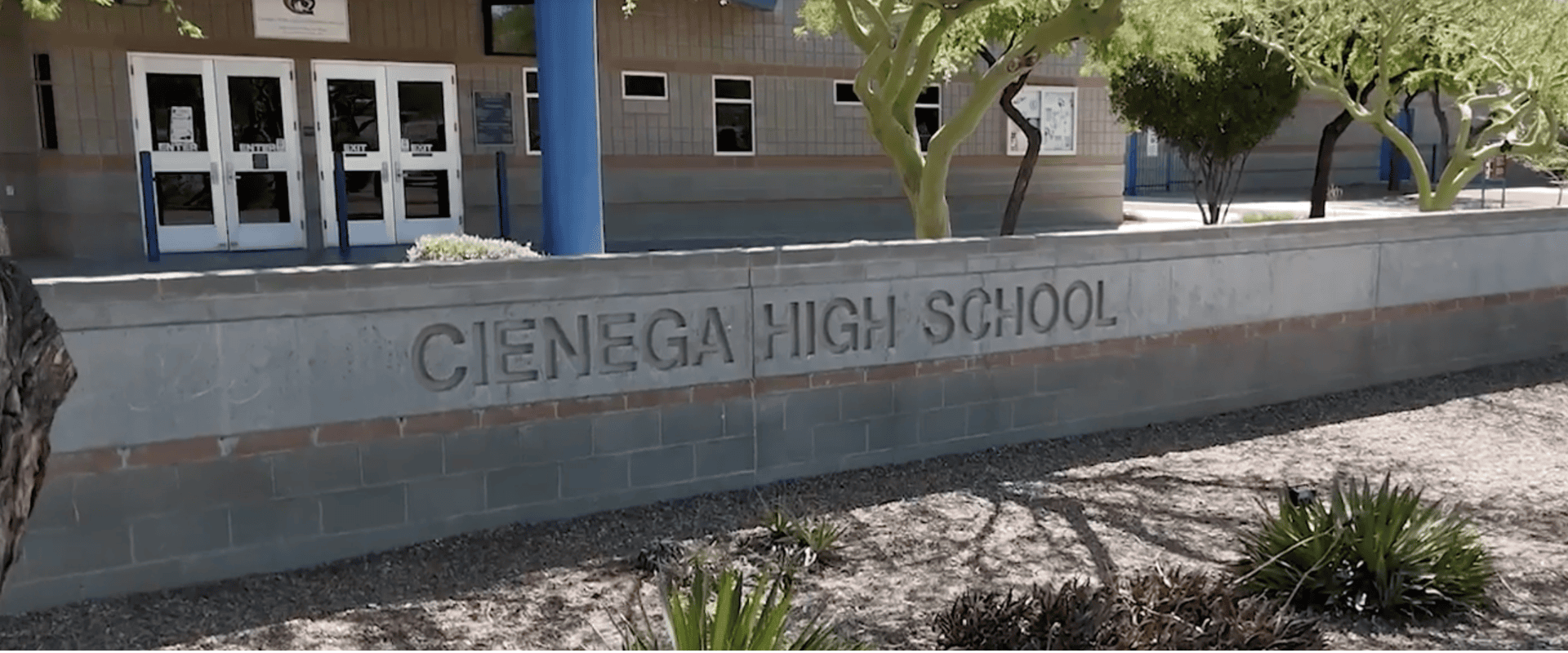
When Cienega High School lost a teacher, online dual enrollment through Accelerate ASU kept college-level courses within reach. What started as a stopgap changed how students see their futures.
In Vail, Arizona, Cienega High School faced a problem most schools know well: an unexpected teacher vacancy in a college-credit course. Principal Kim Middleton had a choice. Cut the course, or find another way to keep it in front of students.
She chose a third option. Students enrolled in Accelerate ASU, a university-based dual enrollment program that lets high school students take online college courses through ASU Universal Learner Courses, taught by ASU faculty. The model is low-risk: a course reaches a student’s transcript only when the student is satisfied with the grade.
What the numbers show
Across all Accelerate ASU courses, Cienega’s enrollment climbed from 159 students to 293 in a single fiscal year. ENG 101 alone grew from 78 students to 159. Juniors who had never pictured themselves in a college course found their footing, then came back for a second one.
Why it matters for the learning system
Cienega points to something larger than one school’s fix. When a college experience is affordable, flexible and tied to where a student is headed, access widens and momentum builds. That is the charter in practice: ASU measured by how many learners it moves forward, and how far.
Read the full story of how Cienega and Accelerate ASU built grit, resiliency and college momentum, then learn how the program works at accelerate.asu.edu.