How ASU is building disaster readiness into the conservation workforce
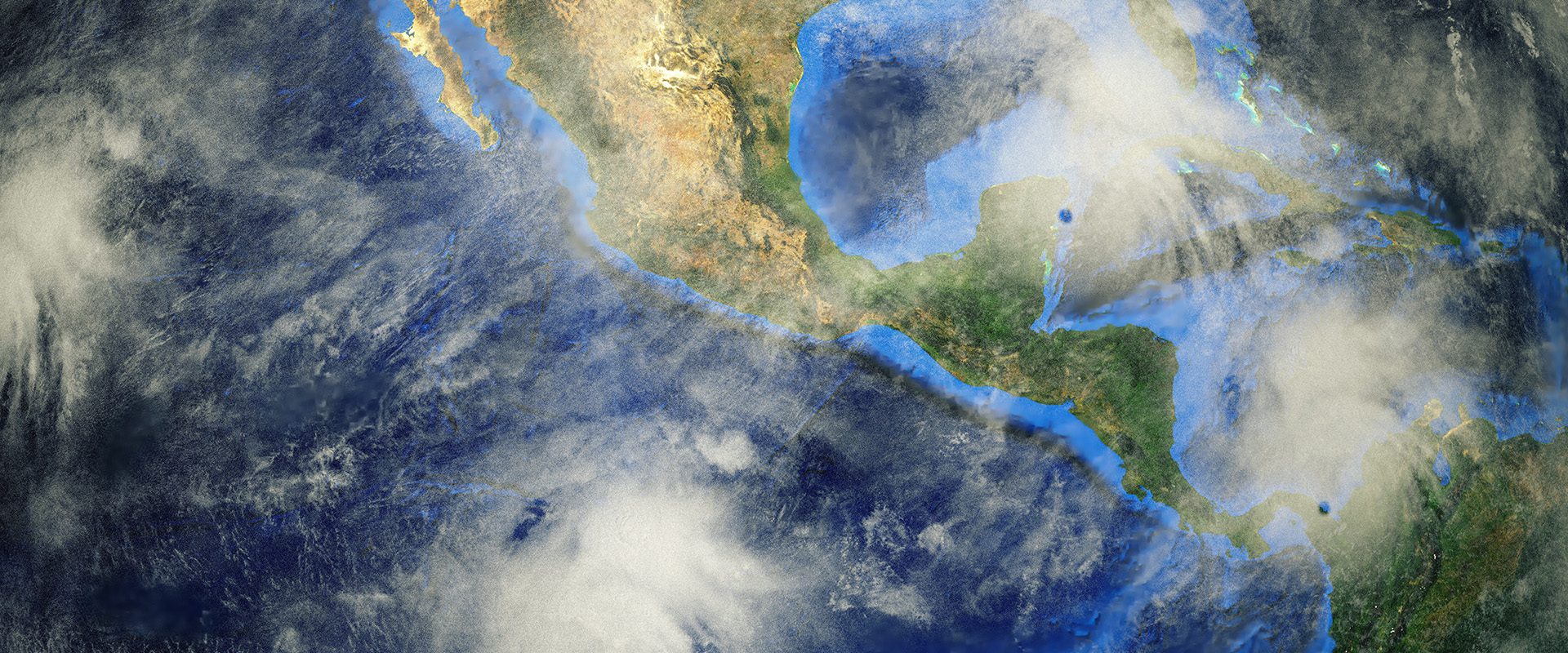
As natural disasters reshape protected landscapes, the conservation workforce needs skills that degree pipelines alone cannot supply fast enough. ASU Learning Enterprise is building that capacity through short, work-ready programs, and a new disaster preparedness course from Conservation Futures Academy shows the model at work.
A widening gap in the conservation workforce
The pressures on protected landscapes are growing. The list of skills the people who manage them need are growing, too: preparedness planning, geospatial literacy, stakeholder coordination. Degree pipelines can sometimes move too slowly to retrain a working professional mid-career. Meanwhile, many practitioners were trained for a job description that has since changed. The gap between what conservation work now demands and what the workforce was prepared to do is widening.
Learning built for the pace of the field
ASU Learning Enterprise is the ASU’s answer to that pace. As the lifelong and accessible learning unit, working alongside its degree and research enterprises, it builds programs that professionals can finish in hours rather than years and apply the next week. Conservation Futures Academy, supported by the $115 million Rob Walton gift that ranks as the largest in ASU history, brings that model to conservation.
What this course signals for communities
Preparedness planning has often sat with emergency agencies, not necessarily the field teams who manage habitat day to day. Now, in 5 hours, ASU’s Conservation Futures Academy teaches practitioners from around the globe the skills that decide how a landscape weathers a hard season in the hands of the people closest to it. Geospatial literacy is moving the same way.
The course, taught by Patricia Solís of the Knowledge Exchange for Resilience and part of Conservation Futures Academy’s practitioner track, is one early marker of a broader change in who holds conservation expertise and how quickly they can build it.
Read the full story on the Conservation Futures Academy newsroom.