Conservation Futures Academy

A conservation project is also a data project. Who governs that data?
Indigenous knowledge could sit at the center of conservation, and so does the question of who controls the data behind it. A story from ASU’s Conservation Futures Academy lays out nine ideas, and where to learn them.

Apology is a leadership skill. So is imagining the future.
Alexandrina Agloro teaches the required course in Conservation Futures Academy’s Professional Certificate in Global Conservation Leadership. Two of her arguments are worth the attention of anyone who leads mission-driven work.
What one pineapple handbag says about the future of fashion leadership
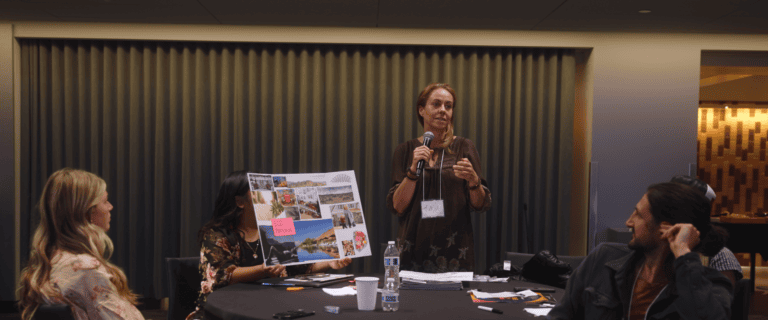
ASU’s Conservation Futures Academy gathered leaders across design, sourcing, conservation and investment for its first in-person executive program. One founder’s handbag, made from pineapple waste, captured the shift underway in the industry.
Conservation’s tools have outpaced its workforce
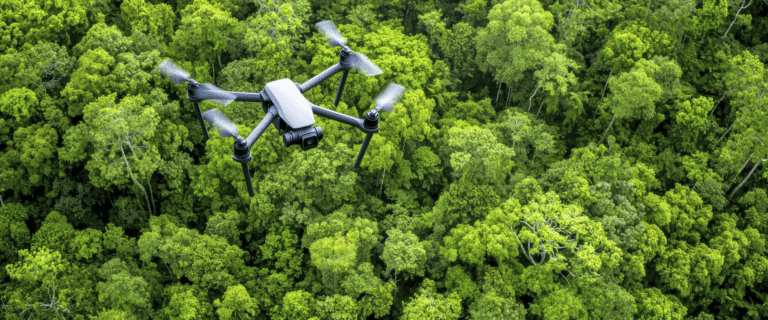
The world set ambitious targets for the coming decade, including the goal to conserve 30 percent of land and sea by 2030. The science to meet them is further along than most people realize. Satellites map deforestation in near real time. Drones can quickly access and survey habitats that once took weeks to reach. While AI models flag ecological stress before it spreads.

ASU is training conservation leaders for a fast-growing nature economy
The Conservation Futures Academy has launched an online certificate that prepares field scientists and managers to lead the finance, GIS mapping and partnership work the next decade of conservation will demand.

How ASU is building disaster readiness into the conservation workforce
As natural disasters reshape protected landscapes, the conservation workforce needs skills that degree pipelines alone cannot supply fast enough. ASU Learning Enterprise is building that capacity through short, work-ready programs, and a new disaster preparedness course from Conservation Futures Academy shows the model at work.