What one pineapple handbag says about the future of fashion leadership
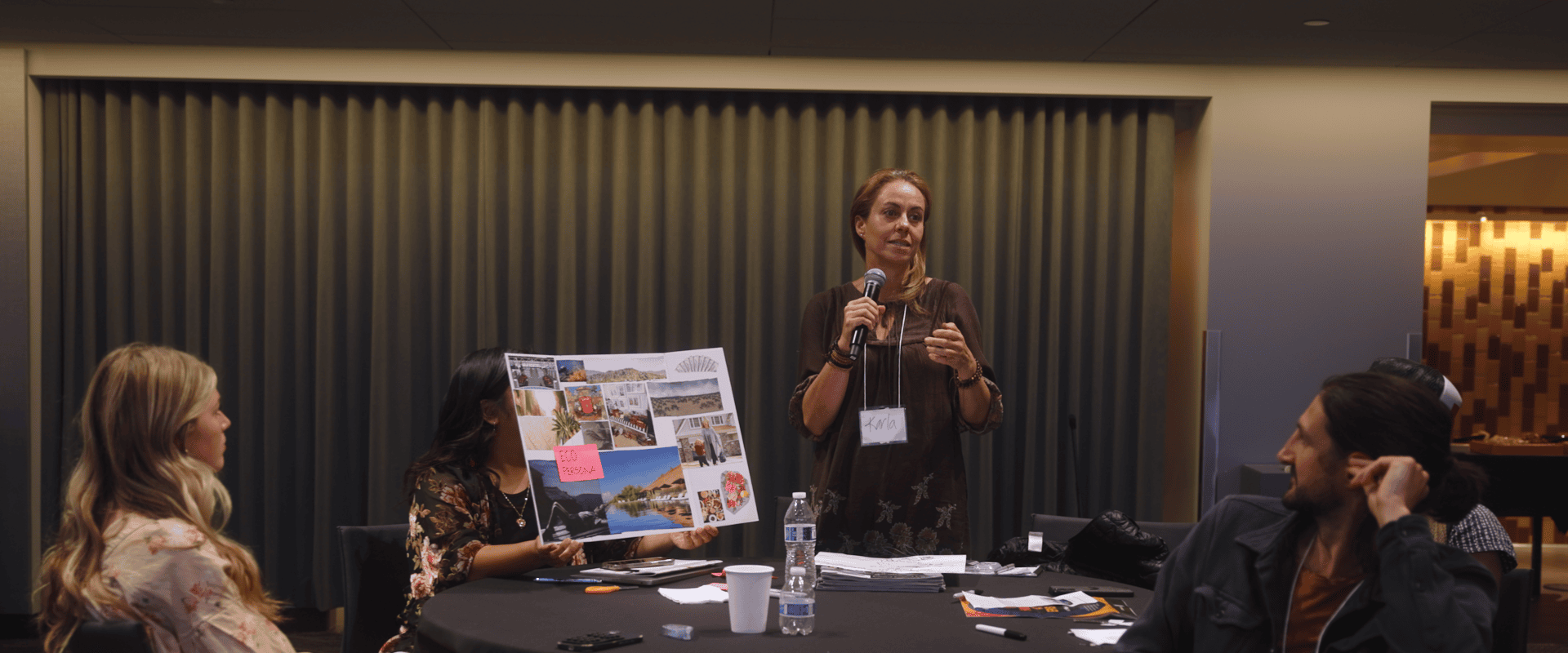
ASU’s Conservation Futures Academy gathered leaders across design, sourcing, conservation and investment for its first in-person executive program. One founder’s handbag, made from pineapple waste, captured the shift underway in the industry.
A field gathers in Los Angeles
In the heart of the LA fashion district, ASU’s Conservation Futures Academy held the first in-person executive program in its history. Nature-Positive Fashion: The Next Era of Leadership for Long-Term Resilience brought designers, sourcing leaders, investors and conservation professionals into one room for a single question: what is actually changing in fashion, and where is leadership needed next.
The venue made the argument on its own. The ASU California Center is a historic building given a second life rather than torn down, an example of the adaptive reuse the field is working toward.
The story in one handbag
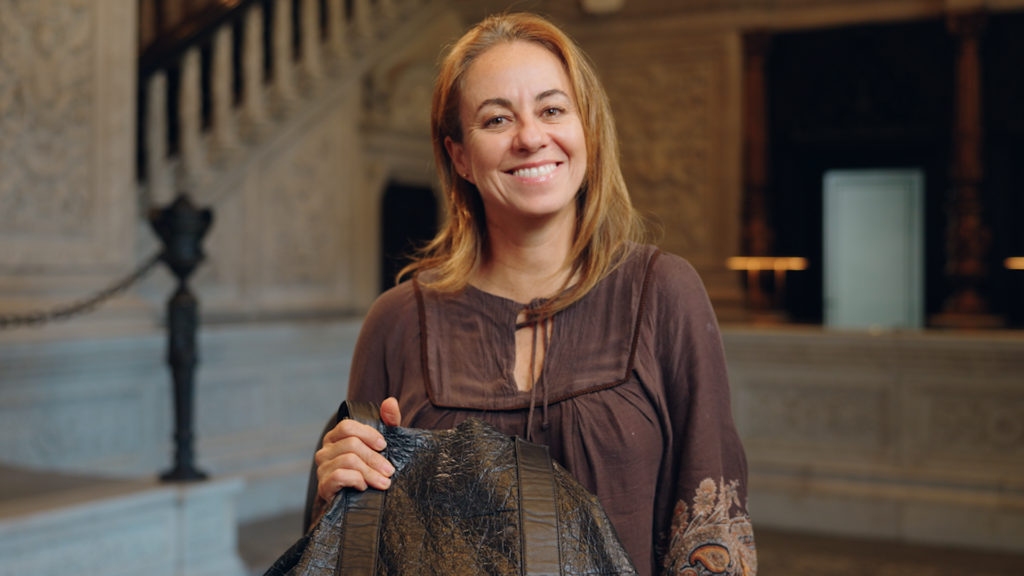
Some of the clearest signals came not from a slide, but from the objects people brought with them. Karla Renteria, a former IT engineer who once wired data centers together, set down a handbag made from pineapple leather, a material spun from the leaves most farms burn after harvest. Her brand, Eco Persona, builds totes and backpacks from it.
Her path from technology to nature-positive design, and her belief that progress comes “one step at a time,” is the kind of practitioner story the convening was designed to surface. It is also a preview of where this industry is heading.
Read her full story on the CFA newsroom.
Why this matters for the ecosystem
Conservation is not only about protecting land and wildlife. It is about designing the economy that grows on top of that land so people and nature both benefit. Convening the leaders who make those decisions, and helping them tell credible progress from marketing noise, is part of how ASU builds toward the learning system of the future.
This is the first of these gatherings. It will not be the last.