Conservation’s tools have outpaced its workforce
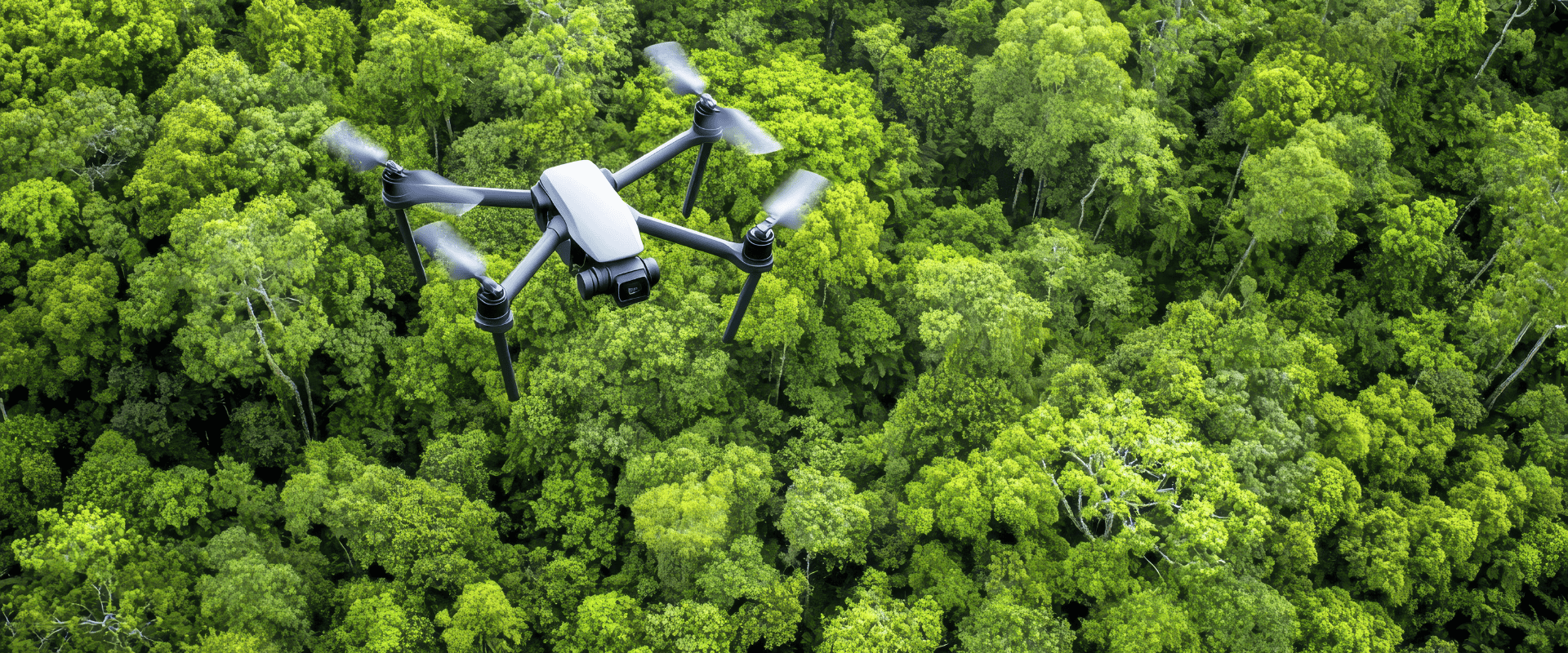
The world set ambitious targets for the coming decade, including the goal to conserve 30 percent of land and sea by 2030. The science to meet them is further along than most people realize. Satellites map deforestation in near real time. Drones can quickly access and survey habitats that once took weeks to reach. While AI models flag ecological stress before it spreads.
The bottleneck is the number of professionals who can use it well.
Why this is a systems problem
Across the conservation sector, the people doing the work trained using a different toolkit. A field ecologist who can read a landscape often cannot model it in Google Earth Engine. A program director who can build a coalition may not know how to govern the data their team now collects. The result is expensive instruments and rich datasets that never reach the decision they were meant to inform.
This gap will not close one workshop at a time. It is a workforce problem at global scale. Itcalls for an institution that can build capacity across borders, career stages and disciplines at once. Most conservation organizations are not built to do that. A university designed for lifelong, accessible learning is.
What ASU is building
The Conservation Futures Academy is the professional learning arm of the Rob Walton School of Conservation Futures at ASU, launched with a $115 million gift from the Rob Walton Foundation, the largest in the university’s history. Its programs are built with practitioners and partners, including a foundational collaboration with Conservation International, and delivered through ASU Learning Enterprise to learners in more than 157 countries.
One of those programs makes the workforce challenge concrete. Conservation Technology Innovations: AI, Drones and GIS takes mid-career professionals through the exact tools the field now depends on, taught by faculty like ASU remote sensing scientist Jiwei Li and built with Conservation International’s spatial and AI teams. The point is not to produce specialists. It is to give the people already in the field the capacity to use what the field has built.
The goals are set. The instruments are ready. What remains is the work of preparing the people who will use them, at the scale the moment requires.
Learn more about the Conservation Futures Academy and how conservationists use GIS to decide where to restore in 5 stages